Periodontology
For the health, support, and preservation of all tissues surrounding the teeth, including the gums, periodontal ligaments, and bones.
Periodontology is the branch of dentistry concerned with all the tissues surrounding the teeth. It focuses on the prevention and control of gum inflammation and infection. Patients should seek a periodontic treatment when suffering from moving teeth, bone resorption around the teeth, uncomfortable or unpleasant breath (halitosis), gum recessions, bleeding gums, or any signs of compromised oral hygiene.
Most periodontal conditions develop as a result of a bacterial infection. While systemic diseases and genetic predispositions may also play an important role, malocclusion is often a major contributing factor influencing both the development of periodontitis and its treatment outcome. Frequently, the underlying cause of periodontal issues may be overlooked with a treatment limited to the management of symptoms. A precise diagnosis is therefore essential prior to the initiation of a therapeutic intervention.
Diagnostic
2D intraoral radiographic series including periapical and bitewings (for a total of 14-22 x-ray images) to detect the level of bone loss and the shape of bony defects. Periodontal charting, occlusal control (dental contact checks), intraoral pictures.
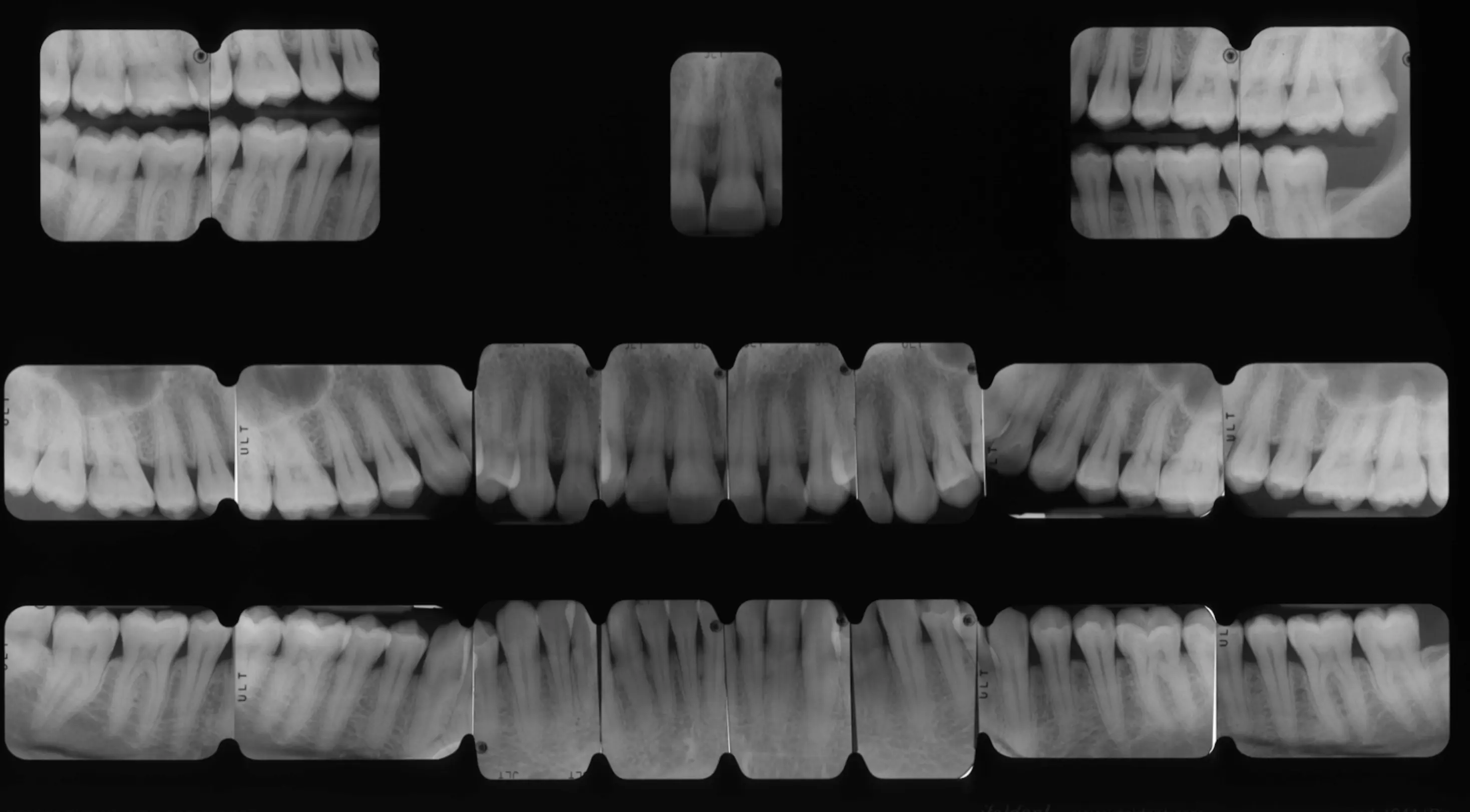
2D radio series (periopical and bitewings)
Treatment
All periodontal treatments start with a non-surgical therapy, and when required, a surgical therapy may be considered subsequently. Some occlusal adjustments (correction of the occlusal surfaces) may be necessary during the treatment, particularly in areas affected by advanced bone losses or teeth mobility.
Non-surgical therapies
They consist of scaling and root planing (deep cleaning), along with a careful finishing and polishing of the teeth, root surfaces, and restorations to eliminate plaque, calculus, and irregularities. These procedures facilitate an effective plaque control along with an improved oral hygiene. Regular follow-up visits may be required.
Surgical therapies
They encompass flap surgeries, such as periodontal pocket reduction, gum recession coverage (either with or without free gingival grafts), and guided tissue regenerations, which may be combined with a bone regeneration. Crown lengthening may be performed as well either for aesthetic reasons, or to create an ideal margin between the tooth and the restoration.
Treated periodontal cases
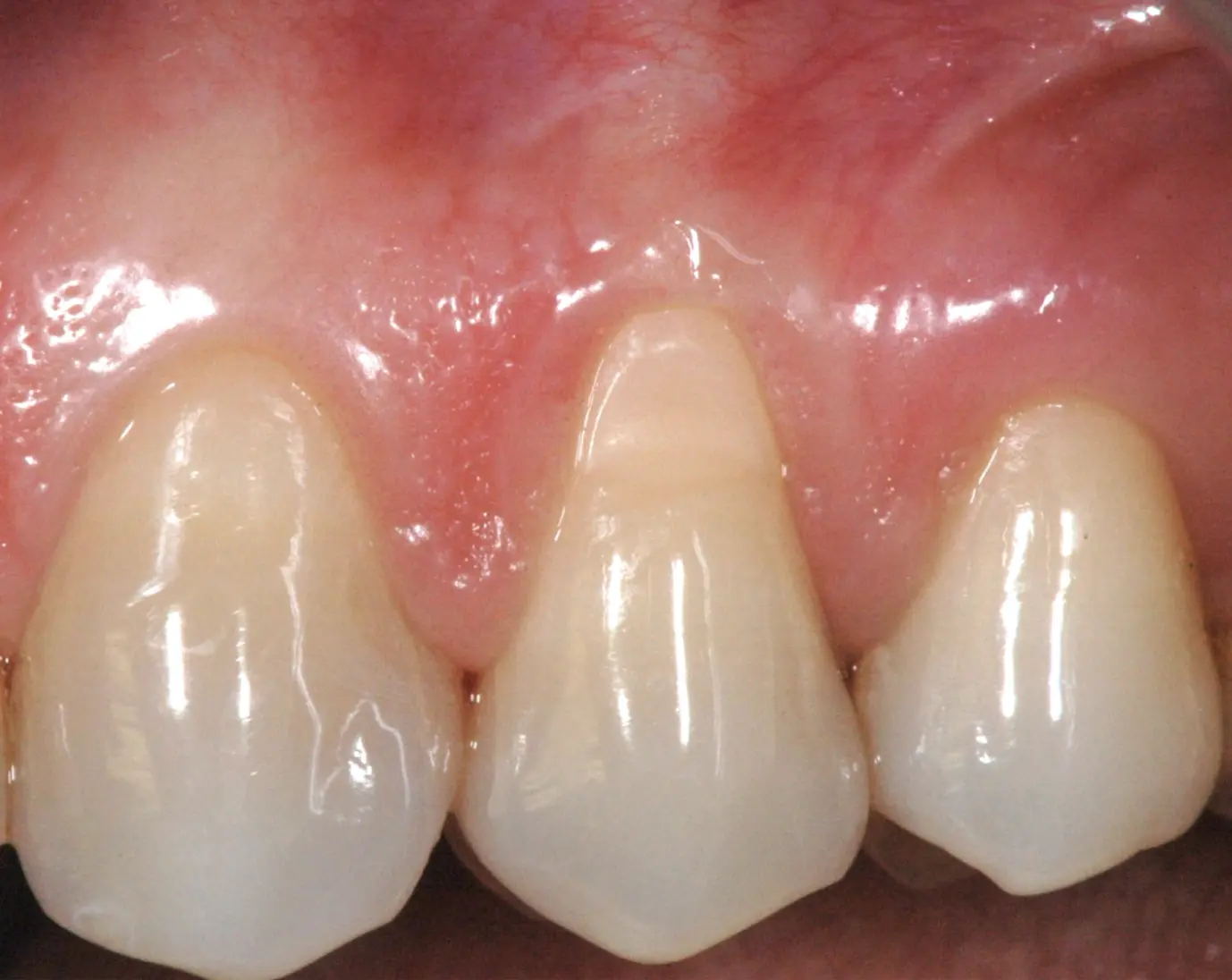
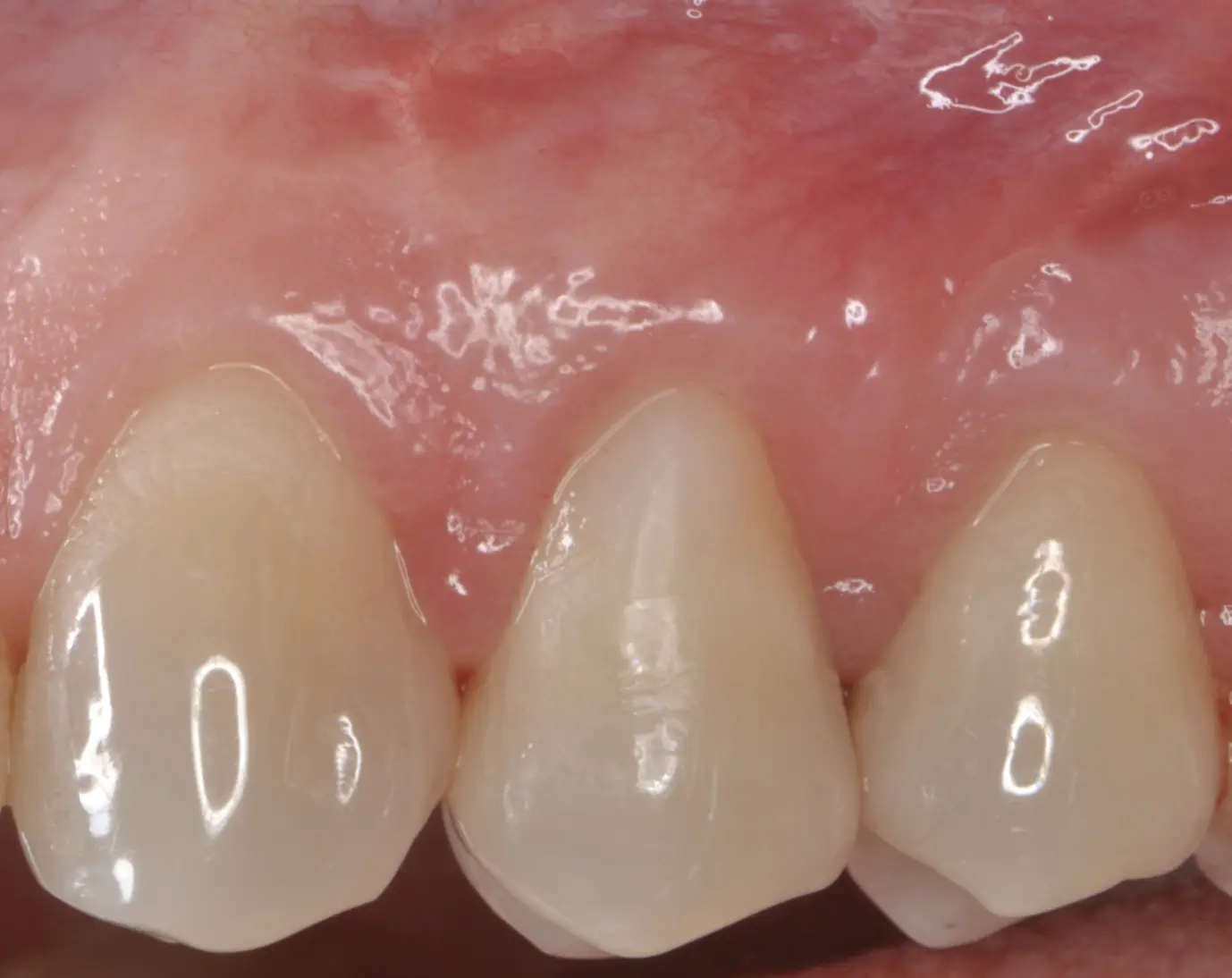
Gum recession before and after surgery
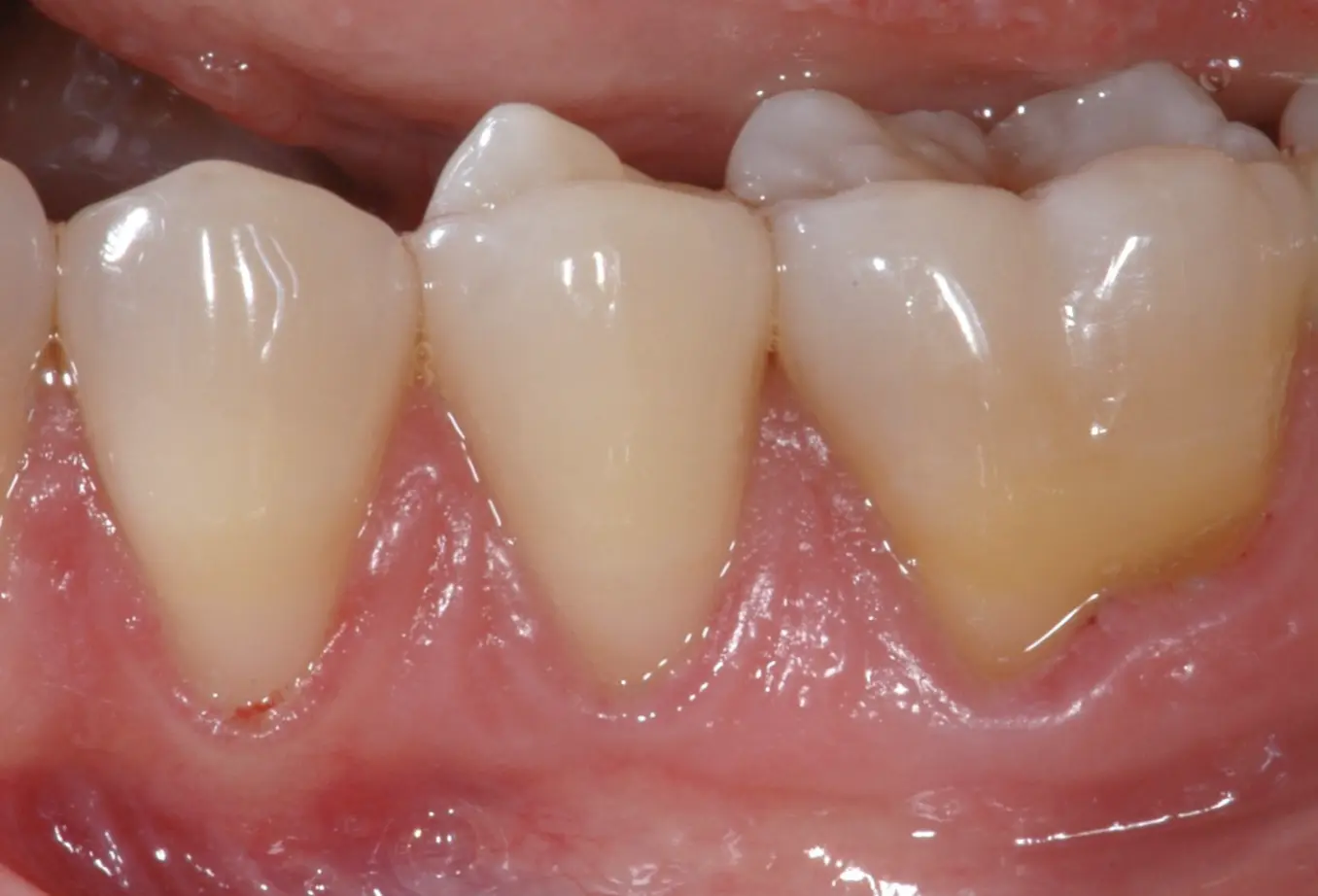
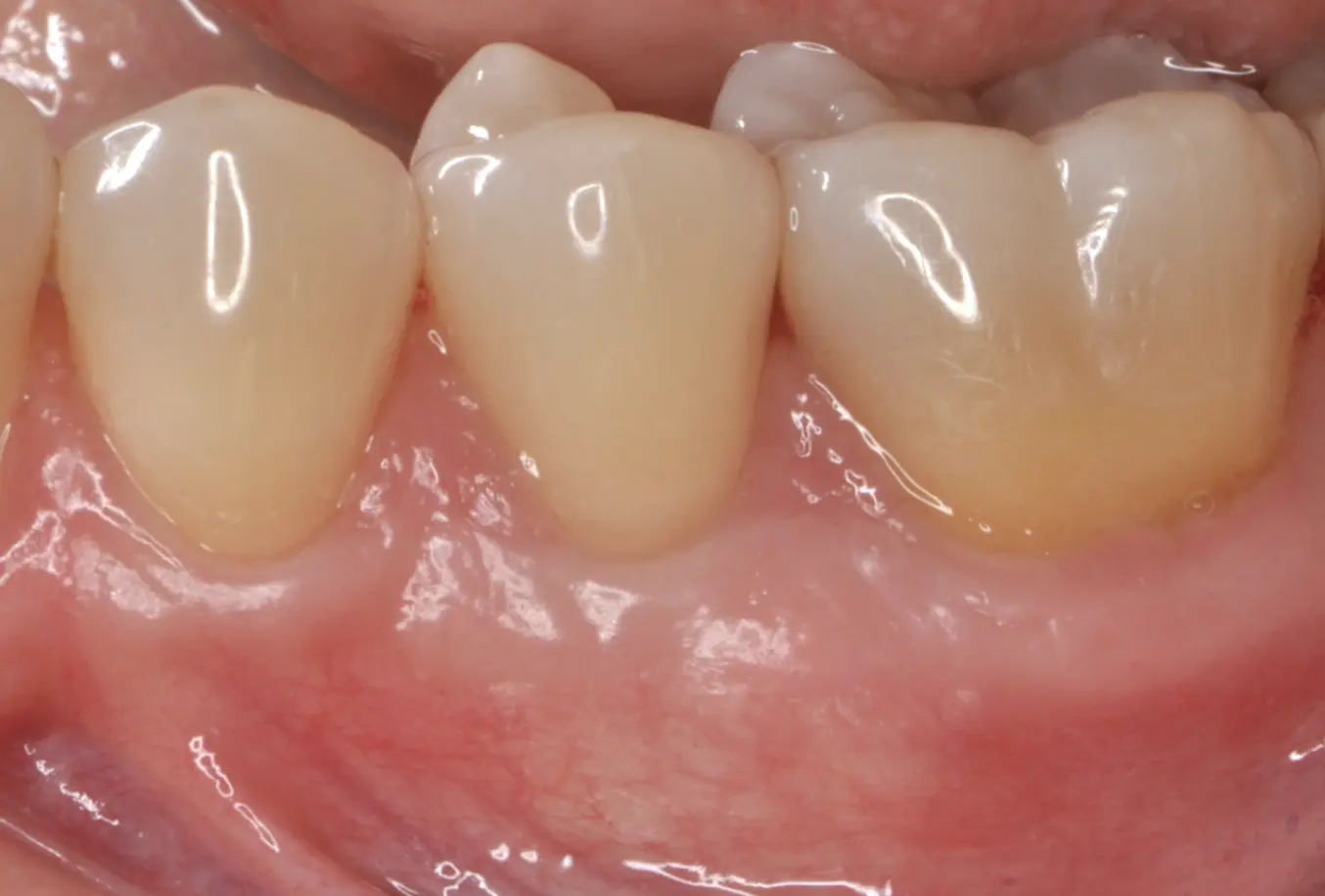
Gum recession before and after surgery
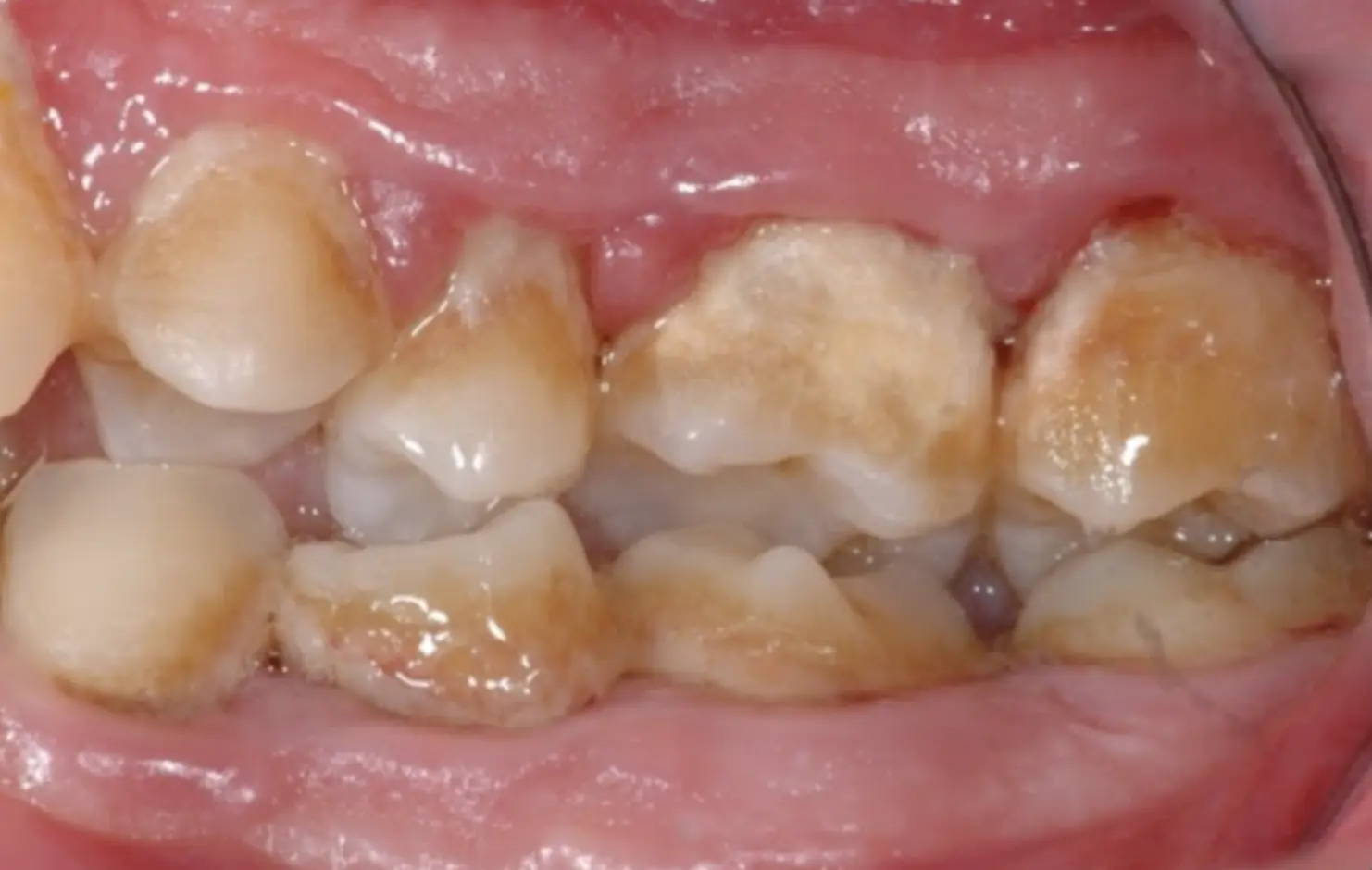
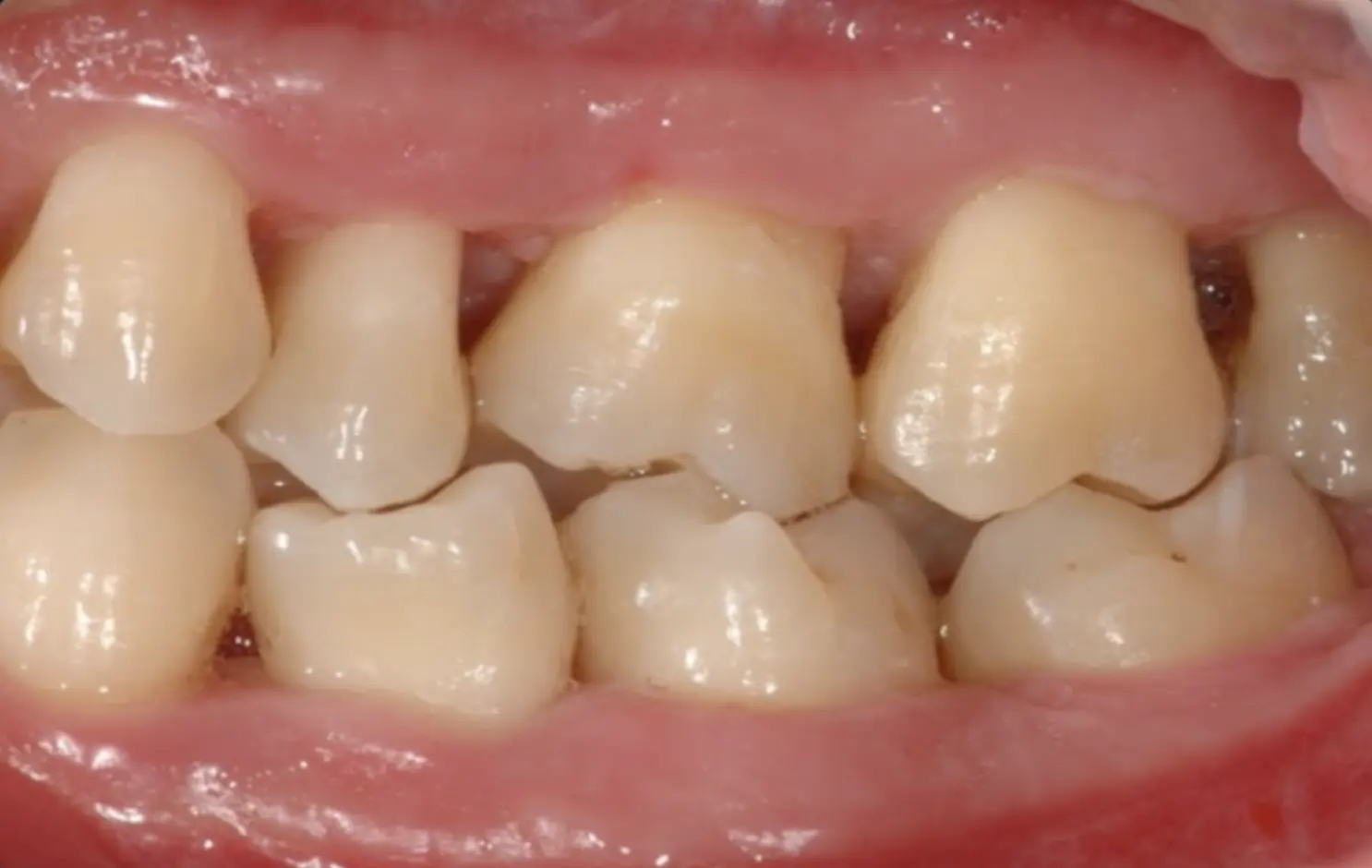
Periodontitis. Gums evolution before and after treatment, with resulting dental migration
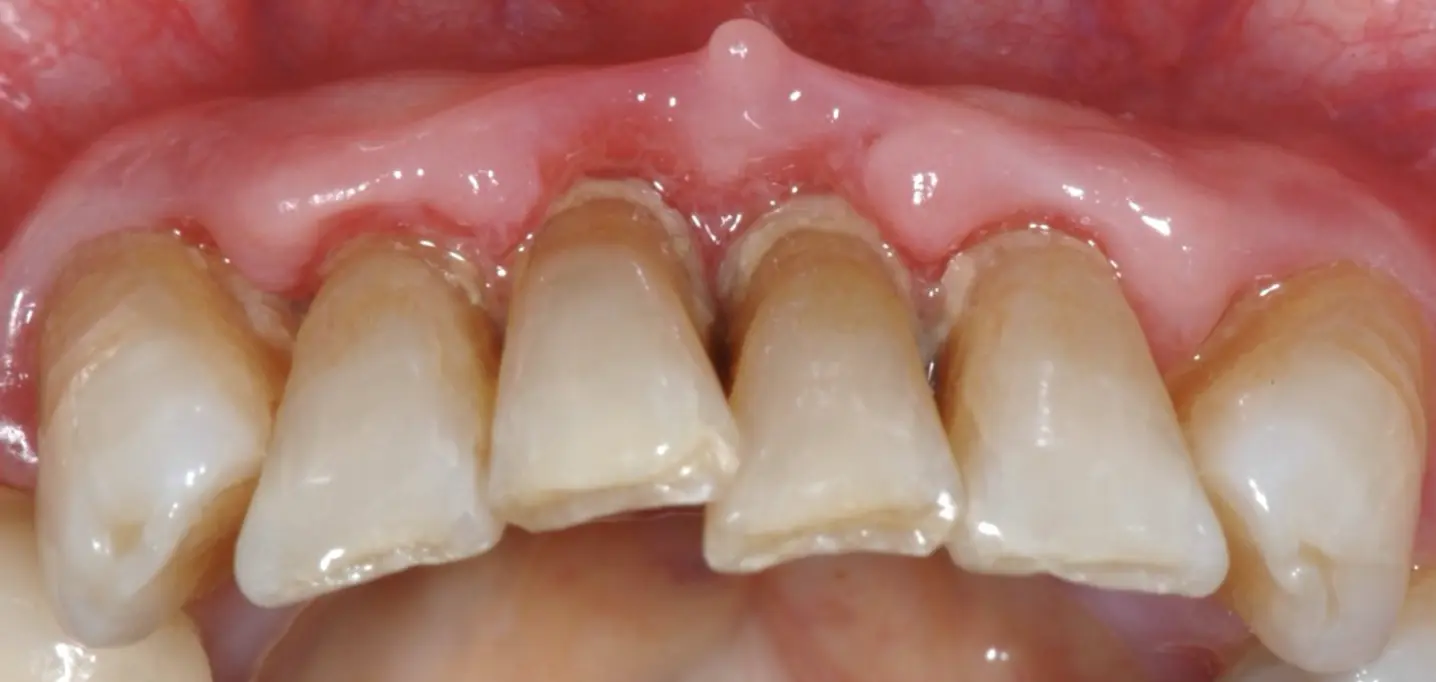
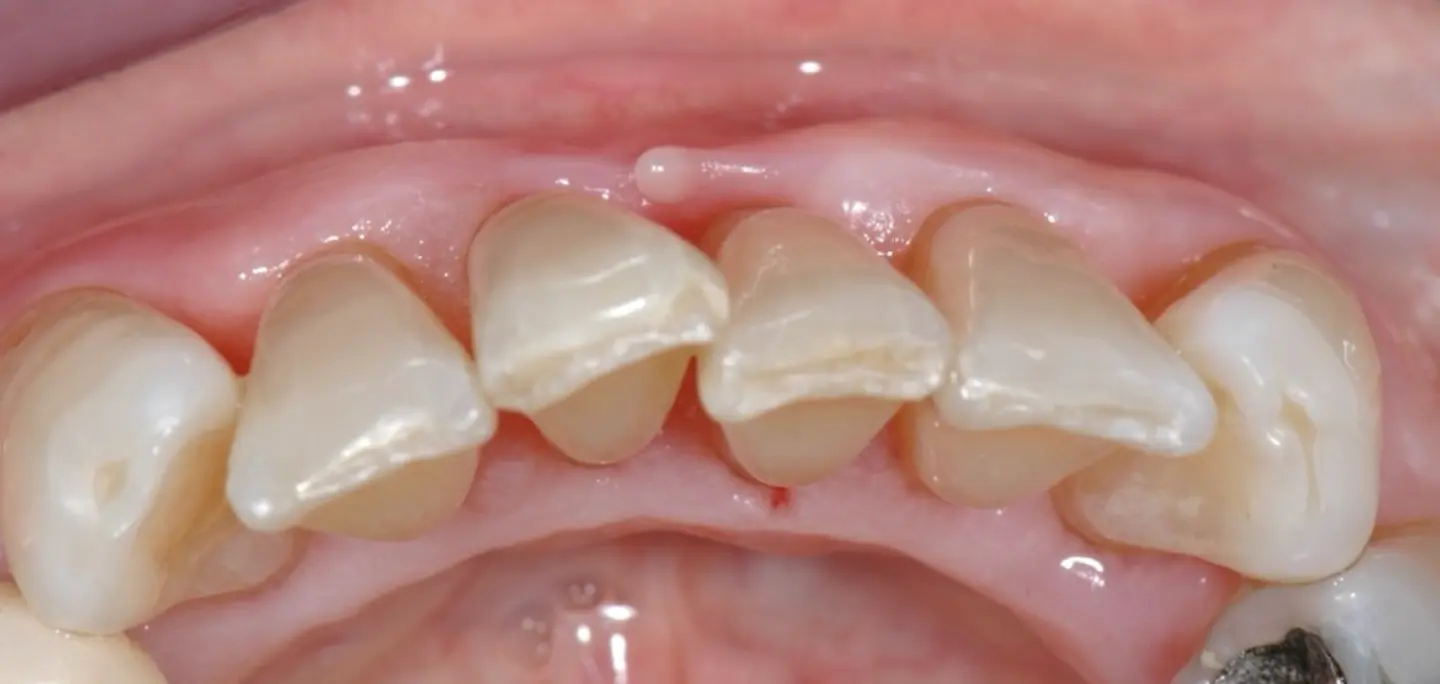
Gingivitis. Gums evolution before and after treatment